
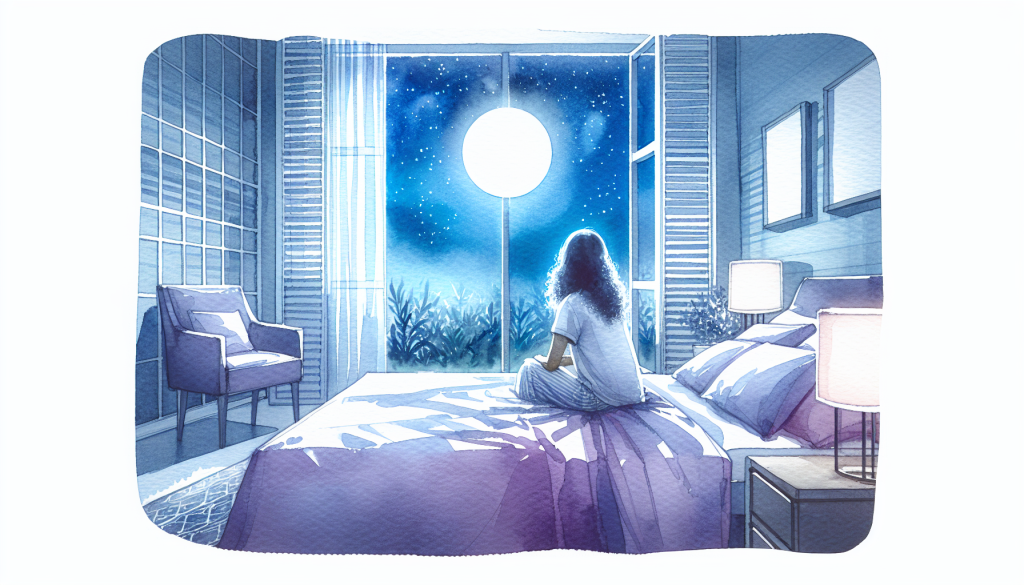
You jolt awake. Heart pounding. Chest tight. That wave of pure terror hits before you’re even fully conscious.
It’s 3am and you’re convinced something is catastrophically wrong.
Nothing is. It’s a nocturnal panic attack — and while they’re among the most frightening experiences you can have, they are not dangerous. Understanding what’s actually happening in your body is the first step to making them stop.
What Is a Nocturnal Panic Attack?
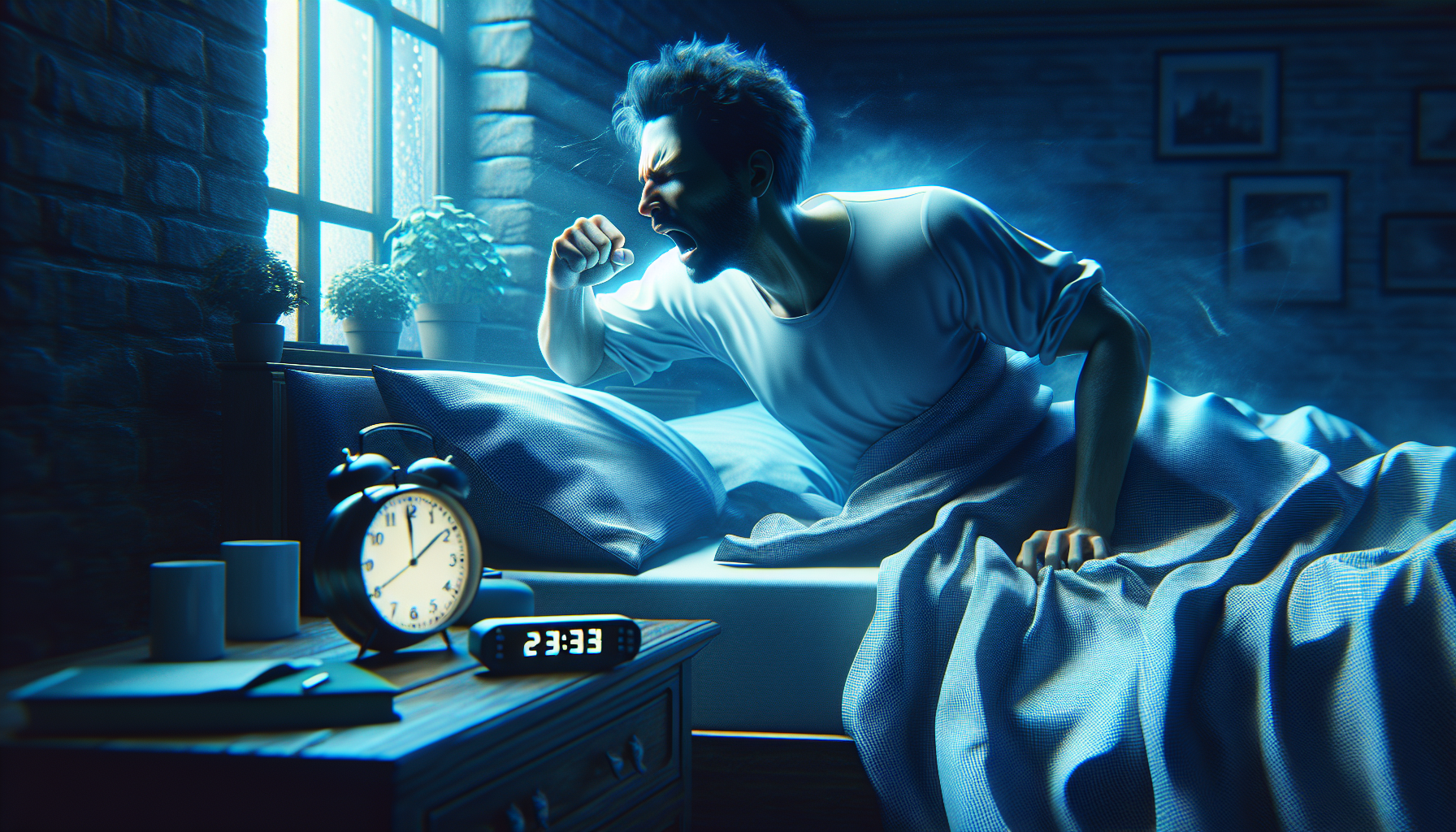
A nocturnal panic attack is a panic attack that wakes you from sleep. Unlike nightmares, they occur during non-REM sleep — typically in the early portion of the sleep cycle — which means you weren’t dreaming about something frightening. Your brain triggered the alarm system while you were at rest.
They’re more common than most people realise. Research suggests that up to 70% of people with panic disorder experience nocturnal panic attacks at some point, and they often feel more intense than daytime episodes because there’s no warning — you go from unconscious to full-blown panic in seconds.
Why Do Panic Attacks Happen During Sleep?
Your body’s fight-or-flight system doesn’t clock off when you do. The amygdala — the brain’s threat-detection centre — stays active through the night, monitoring for danger.
In people with panic disorder, this system is hypersensitive. Normal bodily shifts that happen during sleep (changes in breathing rhythm, heart rate, or CO2 levels) can be misread as danger signals, triggering a cascade of stress hormones — primarily adrenaline — that yanks you out of sleep in a state of full alarm.
Common contributing factors include:
- Stress accumulation — the nervous system processes unresolved stress during sleep
- Sleep deprivation — ironically, catching up on sleep increases time in the deep stages where nocturnal attacks most often occur
- Alcohol — suppresses REM early in the night, then causes rebound arousal in the early hours
- Caffeine — has a half-life of 3–6 hours; effects can persist 6+ hours after consumption, keeping the nervous system primed
- Underlying anxiety disorder — nocturnal attacks are strongly associated with generalised anxiety and panic disorder
Symptoms: What a Nocturnal Panic Attack Feels Like
Waking up mid-attack, symptoms typically include:
- Sudden, intense fear or sense of doom
- Racing or pounding heart (palpitations)
- Chest tightness or pain
- Shortness of breath or feeling unable to breathe
- Sweating, chills, or hot flushes
- Trembling or shaking
- Dizziness or feeling detached from your surroundings
- Urge to escape (even though you’re in your own bed)
Symptoms peak within 10 minutes and typically subside within 20–30 minutes. The experience is genuinely terrifying, but causes no physical harm.
What to Do During a Nocturnal Panic Attack
The worst thing you can do is fight the panic. That adds a second layer of alarm on top of the first. Instead:
- Name it immediately
The moment you wake, say (out loud if you can): This is a panic attack. It is not dangerous. It will pass. Naming what’s happening activates the prefrontal cortex — the rational brain — and starts to counter the amygdala’s alarm signal. - Don’t sit up fast or turn on all the lights
Sudden movement and bright light spike your heart rate further. Stay lying down, or sit up slowly. - Use extended exhale breathing
Breathe in for 4 counts, out for 8. The long exhale activates the parasympathetic nervous system — your body’s brake pedal. Repeat until you feel the wave subside. This is not a distraction technique; it’s direct physiological intervention. - Ground yourself physically
Press your feet flat on the floor. Feel the weight of the duvet. Name five things you can physically feel — the temperature of the air, the texture of the sheets. This pulls your brain into the present and out of the panic loop. - Don’t check your heart rate on your phone
Health apps and smartwatch heart rate data during a panic attack will show elevated numbers that will extend, not shorten, the episode. Leave your phone face down.
How to Reduce Nocturnal Panic Attacks Over Time
One episode doesn’t mean you’ll have them regularly. But if they’re recurring, these changes have the strongest evidence base:
Cognitive Behavioural Therapy (CBT)
CBT is the gold-standard treatment for panic disorder, with nocturnal attacks responding well to the same interoceptive exposure techniques used for daytime episodes. Working with a therapist on this is the single highest-impact intervention.
Regulate your sleep schedule
Irregular sleep dramatically increases nocturnal attack frequency. Go to bed and wake at the same time daily, including weekends. Chaotic sleep = chaotic nervous system.
Cut the obvious nervous system triggers
- No caffeine after 1pm
- No alcohol as a sleep aid (it’s a trap — the rebound effect hits at 2–3am)
- Reduce screen time 45 minutes before bed — blue light suppresses melatonin and keeps arousal elevated
Cool the bedroom
A room temperature of 16–19°C (60–67°F) promotes deeper, more stable sleep and reduces the physiological arousal that can trigger attacks.
Address daytime anxiety, not just night-time attacks
Nocturnal panic attacks are usually a symptom of overall anxiety load, not a separate condition. Managing anxiety throughout the day — through exercise, stress reduction, or therapy — reduces the nocturnal trigger threshold.
When to See a Doctor
See your GP if:
- Attacks are occurring more than once a week
- You’re avoiding sleep due to fear of attacks (sleep avoidance creates a dangerous spiral)
- You’re experiencing chest pain that persists after the panic episode ends
- You have no prior diagnosis and aren’t sure whether these are panic attacks or a cardiac issue
A note on heart symptoms: Nocturnal panic attacks can feel identical to cardiac events. If you have any risk factors for heart disease, or if the chest pain is severe and doesn’t resolve within 30 minutes, seek medical attention. Better to confirm it’s panic than to assume.
Frequently Asked Questions
Can you have a panic attack in your sleep without waking up?
Not exactly — panic attacks require some level of conscious arousal. However, you may have brief physiological stress responses during sleep that you don’t fully remember, which some people describe as sensing a bad night even without clear recall.
Are nocturnal panic attacks a sign of something serious?
They’re a sign of an overactive stress-response system, not an underlying physical disease. That said, frequent attacks warrant a check-in with your doctor to rule out thyroid issues, sleep apnoea, or cardiac arrhythmias, which can occasionally present similarly.
Why do I only get panic attacks at night and not during the day?
Daytime activity and external stimulation keep the conscious mind engaged. At night, with external inputs removed, the nervous system has more bandwidth to amplify internal signals — including the false alarm signals of panic disorder.
Will they stop on their own?
Sometimes, particularly if triggered by a specific stressor that passes. For people with panic disorder, they typically continue without intervention, but respond well to CBT and lifestyle changes.
The Bottom Line
Waking up mid-panic is one of the most disorienting experiences you can have. But nocturnal panic attacks, as brutal as they feel, are not dangerous — they’re your nervous system’s alarm system misfiring during sleep.
The combination of in-the-moment techniques (naming, extended exhale, grounding) and longer-term work (CBT, sleep hygiene, daytime anxiety management) is highly effective. Most people see significant reduction in frequency within 6–12 weeks of consistent practice.
Sources:
- Craske, M. G., & Barlow, D. H. (1989). Nocturnal panic. Journal of Nervous and Mental Disease.
- American Psychological Association — Panic Disorder treatment guidelines
- National Institute of Mental Health — Panic Disorder overview
- Mellman, T. A., & Uhde, T. W. (1989). Electroencephalographic sleep in panic disorder: A focus on sleep-related panic attacks. Archives of General Psychiatry.
Join the Weekly Breath
Get calm, evidence-based tools for panic and anxiety, plus updates when new PanicPeace emails go live. No spam. Unsubscribe anytime.