
Medical Disclaimer: This article shares personal experience and general information – it is not medical advice. If you’re experiencing chest pain, difficulty breathing, or other symptoms that could indicate a medical emergency, call 911 (or your local emergency number) immediately. Always consult a qualified healthcare professional for medical decisions.
Everything I share here comes from my personal experience living with panic disorder – not from medical training.
If you’re in crisis right now: You are not alone. Contact the 988 Suicide & Crisis Lifeline by calling or texting 988, available 24/7. You can also text HOME to 741741 to reach the Crisis Text Line. If you believe you are having a medical emergency, call 911 immediately.
Panic Attack Symptoms in Women: What’s Different and Why It Matters
The first time I ended up in an emergency room convinced I was having a heart attack, I was twenty-seven years old, three days before my period, and completely alone in a hotel room on a work trip. My chest was tight. My left arm felt strange. My heart was pounding so hard I could feel it in my throat. The ER doctor ran an EKG, found nothing, and sent me home with a pat on the shoulder and a suggestion to “reduce stress.”
It took another two years, two more ER visits, and a gynecologist who actually listened before someone connected the dots: I was having panic attacks, and they were tracking almost perfectly with my menstrual cycle.
I tell you this because it is not an unusual story. Research consistently finds that panic disorder is diagnosed in women at roughly twice the rate of men – yet the way panic attack symptoms in women present, the hormonal forces behind them, and the patterns that should make them recognizable are still routinely missed. Many women spend years cycling through misdiagnoses, emergency departments, and the quiet humiliation of being told their very real symptoms are anxiety they should simply manage better.
That ends when you understand what is actually happening in your body. So let me lay it out.
Why Women Get Misdiagnosed or Dismissed
There are structural reasons women’s panic goes unrecognized, and none of them are about women being dramatic.
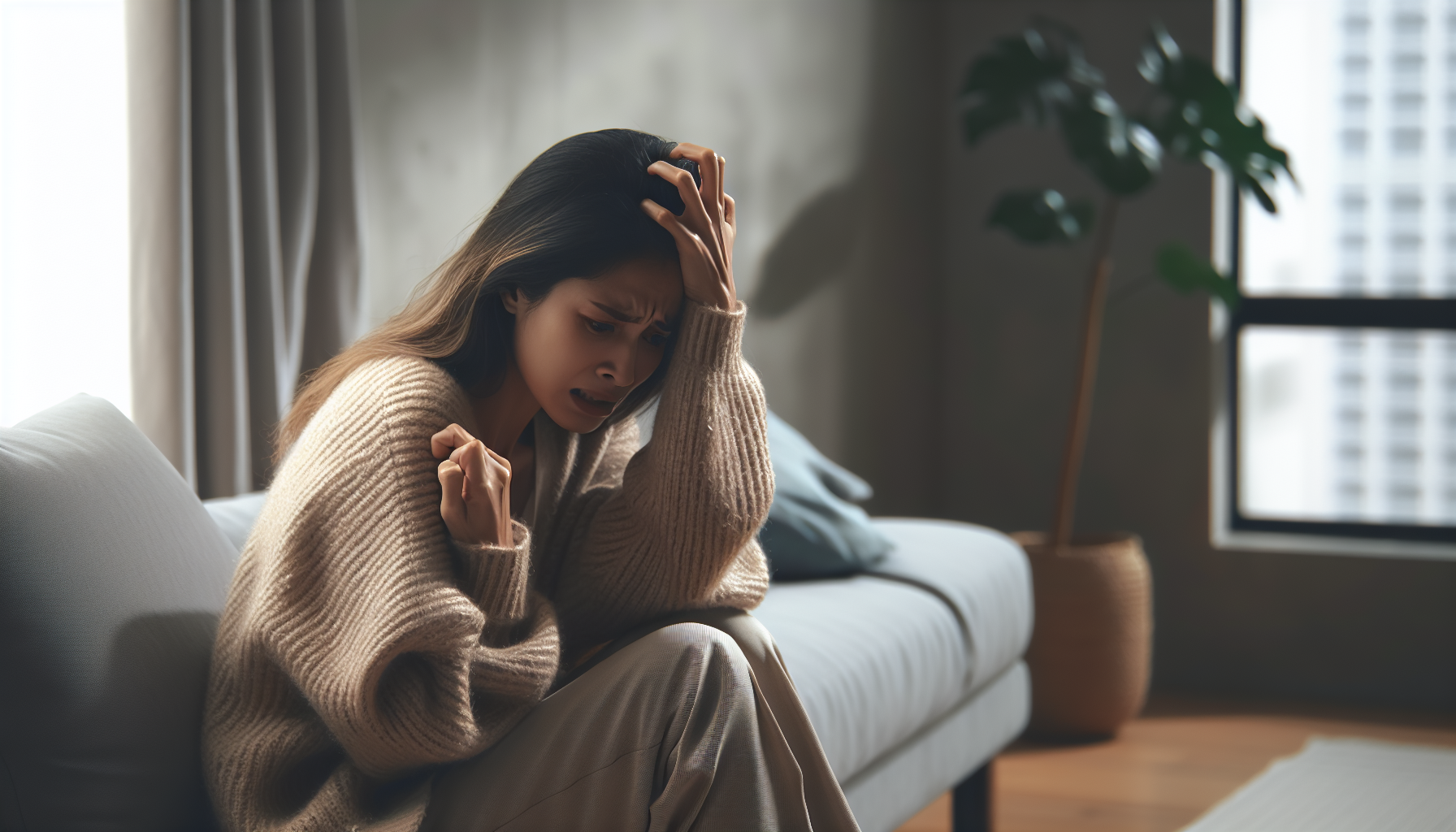
First, the cardiac-like symptoms of panic – chest tightness, shortness of breath, palpitations, left arm tingling – overlap significantly with how heart attacks present in women. Research suggests that clinicians who trained primarily on male cardiac presentations may be quicker to dismiss these symptoms in women as “just anxiety.” Second, studies indicate that women presenting with chest pain are statistically more likely to be prescribed an anxiolytic and sent home without further cardiac workup. Third, the hormonal fluctuations that can directly trigger panic episodes are rarely part of the diagnostic conversation – not in emergency departments, not in primary care, and often not even in mental health settings.
What this means practically is that many women internalize a story about themselves: that they are overreacting, being dramatic, failing to cope. The reality is that their nervous systems are doing something very specific, often tied to biology as much as psychology, and the medical system is simply not asking the right questions.
How Panic Attack Symptoms in Women Differ
When I first started reading about general panic attack symptoms, the textbook description – racing heart, shortness of breath, fear of dying – felt incomplete. It described part of what I was experiencing but missed the full picture.

Research suggests women may be more likely to report certain symptoms during a panic episode:
- Nausea and gastrointestinal distress – I almost always feel queasy at the start of an attack, something many women describe but that gets less clinical attention
- Dizziness and lightheadedness – often more pronounced in women, particularly around hormonal shifts
- Choking sensations – tightness or restriction in the throat that can be terrifying and is frequently misread as a thyroid issue
- Deep fatigue after an attack – the post-panic crash that leaves some women flattened for hours or even a full day
- Emotional flooding – intense waves of dread, grief, or a sense of unreality that accompany the physical symptoms
Women also tend to experience panic alongside broader anxiety symptoms more often than men do and are more likely to develop agoraphobia as a secondary response – the gradual shrinking of daily life that happens when you start avoiding the places where attacks have occurred.
None of this means the experience is less serious. It means the clinical picture is broader than the textbook, and recognizing that matters.
The Hormonal Connection: Panic Across Every Life Stage
This is the part of the conversation that changed everything for me. Understanding what causes panic attacks from a hormonal perspective was the missing piece I had spent years searching for.
Estrogen and progesterone have direct effects on the brain systems involved in fear and anxiety regulation. The amygdala – the brain’s threat-detection center – has receptors for both hormones, and fluctuations can lower the threshold for triggering a panic response. This is supported by a growing body of evidence in neuroendocrinology research. What it means for women is that panic vulnerability shifts with reproductive hormones across an entire lifetime.
Panic Attacks During Your Period
For many women with panic disorder, attacks cluster in the late luteal phase – the days before and during menstruation, when progesterone drops sharply and estrogen hits a secondary low. I tracked my own attacks for six months and found that roughly 70 percent fell in that five-day window before my period started.
Premenstrual dysphoric disorder (PMDD) can co-occur with panic disorder, and the symptoms overlap in ways that make both harder to identify. If you notice your panic attacks have a rhythmic, monthly quality, that pattern is meaningful clinical information. Write it down. Bring it to a provider.
Pregnancy
Pregnancy is complicated territory. Some women find their panic attacks decrease – elevated progesterone in the first trimester can have a calming effect on GABA receptors. Others find the opposite: new-onset panic, particularly in the first trimester when hormones shift rapidly, or in the third trimester as anxiety about birth compounds physical discomfort.
The challenge is that many physical sensations of panic – breathlessness, heart palpitations, dizziness – also occur normally in pregnancy, which makes self-recognition harder and clinical assessment more important, not less.
Postpartum Panic
After birth, estrogen and progesterone drop precipitously – one of the sharpest hormonal shifts the human body ever experiences. For women with underlying sensitivity to hormonal fluctuations, that crash can trigger intense anxiety and panic attacks that are often lumped under “postpartum depression” and left at that.
Postpartum panic looks like this: waking at 3 a.m. convinced something is wrong with the baby, heart pounding, hands trembling. Freezing in the grocery store, unable to move, with an infant in the cart. Lying in bed unable to sleep not because you are sad but because your nervous system feels like it refuses to stand down. The intrusive thoughts are not about wanting to harm your child – they are about an overwhelming terror that something will happen to them, and the panic your body produces in response to that terror.
If this sounds familiar, it is treatable and it is not a reflection of what kind of mother you are. Postpartum panic is a distinct clinical presentation. It deserves its own name, its own screening, and its own treatment plan.
Perimenopause Panic Attacks
Perimenopause – the transition before menopause, typically starting in the forties but sometimes earlier – may be the most overlooked panic trigger in women. Estrogen fluctuations during perimenopause are erratic rather than cyclical. The nervous system receives unpredictable hormonal signals that can lower the panic threshold in ways that seem to come from nowhere.
Many women I have heard from describe perimenopause panic attacks as their first ever. They are not in a particularly stressful period, not doing anything “wrong” – and suddenly they are having episodes that feel like cardiac emergencies. Hot flashes and panic attacks also overlap physiologically, since both involve sympathetic nervous system activation, which means each can trigger or amplify the other.
If you are in your forties or fifties and experiencing new-onset panic, perimenopause is a legitimate clinical consideration that many providers fail to raise. You may need to be the one who raises it.
The Cardiac Scare: When Panic Mimics a Heart Attack
I want to spend real time here because this specific overlap can be a matter of life and death, and it cuts both ways.
The physical sensations of a panic attack – chest pressure, left arm numbness, jaw tightness, palpitations, sweating, shortness of breath – are produced by real physiological processes in the autonomic nervous system. They genuinely resemble cardiac symptoms. Your brain may not be able to reliably distinguish between “panic” and “cardiac event” in the moment, and neither can you.
Here is the critical problem for women: heart disease is the leading cause of death in women, yet research suggests women’s cardiac symptoms have historically been under-recognized. Studies indicate that women having actual heart attacks may be more likely than men to present with symptoms that overlap with panic – nausea, jaw pain, back pain, shortness of breath without classic crushing chest pain. And women with known panic disorder may be especially vulnerable to having a real cardiac event dismissed as “just another panic attack” – by clinicians and by themselves.
If you have never had your cardiac symptoms evaluated, it is worth getting them checked. An EKG, basic bloodwork, and a clinical assessment are generally considered reasonable baseline steps.
If you are sitting with the question of whether to seek emergency care tonight, the guide on when to go to the ER for a panic attack offers a clear, specific framework – including a GO / stay-home checklist and a comparison of panic versus cardiac presentations. It also covers the pattern of repeated ER visits that many women with undiagnosed panic disorder experience, and why those visits are not a waste.
Once cardiac causes have been ruled out, and you are confident you are dealing with panic, learning how to stop a panic attack – particularly the physiological sigh and extended exhale breathing – becomes a critical skill. But ruling out cardiac causes should come first.
Common Trigger Patterns for Women
Beyond hormones, there are patterns in the triggers many women describe that reflect the specific pressures of female socialization and life structure.
Caregiving load. Many women with panic disorder are primary caregivers – for children, for aging parents, sometimes both simultaneously. The relentlessness of that role, combined with the tendency to deprioritize one’s own health, creates a chronic stress baseline that lowers the threshold for panic.
Perfectionism and performance pressure. Research suggests women are more likely to internalize perfectionist standards and experience shame around perceived failure. That internal pressure sustains a state of low-grade hyperarousal that makes acute panic episodes more likely.
Sleep deprivation. New mothers, caregivers, shift workers, women in perimenopause with disrupted sleep – chronic sleep loss raises cortisol, impairs emotional regulation, and makes the nervous system more reactive. Many women I know can trace the onset of a panic cycle to a period of sustained poor sleep.
I list these not to suggest women’s panic is “just stress.” I list them because understanding the specific shapes stress takes in your life is part of building a treatment plan that actually works.
Getting Proper Treatment: What to Say and What to Demand
The single most practical thing I can tell you is this: track your symptoms in relation to your cycle before any medical appointment. Date, symptom severity, cycle day. Two to three months of data is often enough to reveal a pattern that a good provider can work with – and it makes you much harder to dismiss.
When meeting with a provider, be explicit. Here are phrases that work:
- “I have been tracking my panic attacks and they correlate with specific points in my menstrual cycle. I would like to discuss whether there is a hormonal component.”
- “I need my cardiac symptoms evaluated before we attribute this to anxiety. Can we do an EKG and basic bloodwork today?”
- “I am experiencing panic attacks postpartum and I want to be screened specifically for postpartum anxiety, not just postpartum depression.”
- “My panic attacks started during perimenopause. I would like to discuss whether hormonal changes are contributing and what my treatment options are.”
If any of those questions are dismissed without engagement, consider whether this is the right provider for you. You are not asking for speculation. You are asking for clinically legitimate conversations about well-documented phenomena.
Effective treatments for panic disorder include cognitive behavioral therapy, particularly panic-focused CBT, and medications including SSRIs and SNRIs. For women with clear hormonal triggers, some providers also explore hormonal interventions – oral contraceptives or hormone replacement therapy (HRT) – as part of a broader plan. It is important to note that HRT carries its own risks, including potential cardiovascular and other health considerations, and should only be pursued under the supervision of a qualified healthcare provider who can evaluate your individual risk profile. This requires a provider experienced in the intersection of mood disorders and reproductive health. They exist. Finding them is worth the effort.
My Hormonal Panic: What It Actually Looked Like
I have written around this personally enough times. Let me be plain.
The years before I understood the hormonal dimension of my panic were the worst years of my life. Not because the attacks were worse then – they were bad at every stage – but because they felt random. Senseless. Like proof of some fundamental weakness I could not fix.
I remember a specific October. I had three panic attacks in eight days, all in the premenstrual window, and I did not yet know that was a window. I remember sitting on the bathroom floor after the third one, hands still shaking, genuinely wondering if I was developing a serious neurological condition. I Googled symptoms until 2 a.m. I did not sleep. I had another attack two days later, the morning my period started.
When I finally started tracking my cycle alongside my symptoms and brought six months of data to a psychiatrist who specialized in women’s mental health, something shifted. She looked at my chart for about ninety seconds and said, “This is hormonal. Let’s work with it.” Not dismissively – she took the panic seriously. But she also saw the pattern I had been living inside of without being able to name it.
We adjusted my treatment plan. The attacks did not disappear, but the randomness did. I stopped bracing for the unknown and started preparing for the predictable. That shift from helplessness to agency was more therapeutic than any single medication or technique.
If you are a woman who has been dismissed, who has been told your symptoms are “just anxiety,” who has been in an emergency room convinced you were dying and then sent home feeling foolish – I want you to know that your experience is real, it is documented, it is physiological, and it is treatable. You deserve a provider who knows that. And if you haven’t found one yet, keep looking. The right one will look at your data and see exactly what you have been trying to tell them.
Panic disorder also has a way of reaching into parts of life that clinical descriptions rarely address – including dating and relationships. If you are navigating that alongside everything else, dating with panic attacks covers disclosure, what to do when an attack happens with someone new, and how to find a partner who handles it well.
Frequently Asked Questions
Are panic attack symptoms different in women?
Research suggests that women may experience certain panic symptoms more frequently or intensely than men, including nausea, dizziness, choking sensations, and deep post-attack fatigue. Women are also more likely to experience panic alongside broader anxiety symptoms and may be more prone to developing agoraphobia as a secondary response. However, the core experience of a panic attack – racing heart, shortness of breath, overwhelming fear – is similar across genders. The key differences often lie in hormonal triggers and how symptoms are recognized (or missed) by healthcare providers.
Can hormones cause panic attacks?
Hormonal fluctuations can play a significant role in triggering panic attacks for some women. Estrogen and progesterone affect brain regions involved in fear and anxiety regulation, and shifts in these hormones – during the premenstrual phase, pregnancy, postpartum, or perimenopause – may lower the threshold for panic episodes. If you notice your panic attacks follow a pattern tied to your menstrual cycle or a hormonal life stage, that is meaningful information worth sharing with your healthcare provider.
How do I know if it is a panic attack or a heart attack?
The honest answer is that you may not be able to tell in the moment – the symptoms can overlap significantly. Panic attacks typically peak within 10 minutes and resolve within 20 to 30 minutes, while cardiac events may involve sustained or worsening pressure, pain radiating to the arm or jaw, and nausea. However, these are general patterns, not reliable diagnostic rules. If you are unsure, treat it as a potential cardiac event and seek emergency medical attention. It is far better to be evaluated and reassured than to dismiss a genuine cardiac symptom. If you have recurrent episodes, getting a cardiac evaluation can help provide a baseline for future episodes.
Should I see a doctor for panic attacks during my period?
Yes. If your panic attacks appear to correlate with specific points in your menstrual cycle, that pattern suggests a hormonal component worth investigating. Track your symptoms alongside your cycle for two to three months, then bring that data to a provider – ideally one experienced in the intersection of reproductive health and mood disorders. There are treatment approaches specifically designed for hormonally-influenced panic that a knowledgeable provider can discuss with you.
Sources & Further Reading
- American Heart Association. “Heart Attack Symptoms in Women.” heart.org – Information on how cardiac symptoms present differently in women and why they are often under-recognized.
- Anxiety and Depression Association of America (ADAA). “Panic Disorder.” adaa.org – Overview of panic disorder, prevalence, treatment options, and resources for finding a provider.
- Nillni, Y.I., Toufexis, D.J., & Rohan, K.J. “Anxiety sensitivity, the menstrual cycle, and panic disorder: A putative neuroendocrine and psychological interaction.” Clinical Psychology Review, 31(7), 1183-1191. – Research examining the relationship between hormonal fluctuations and panic vulnerability in women.
- Journal of Women’s Health – Peer-reviewed research on hormonal panic triggers, perimenopause-onset anxiety, and gender differences in panic disorder presentation.